
The rules of the Australian property game just changed.
If you’re still following the "old" investment playbook, you’re walking into a financial trap.
On 12 May 2026, the Federal Budget delivered a knockout blow to traditional property investing.
Negative gearing for established homes is being phased out.
From 1 July 2027, if you buy an existing house, you can no longer offset those rental losses against your salary.
The days of using a tax refund to "subsidise" a low-yield rental property are over.
For most investors, this means their "growth" property just became a massive monthly cash drain.
But while the crowd is panicking, the smart money is moving.
They are moving into SMSF Property Investment.
At AZ Property Solutions, we help investors navigate these seismic shifts by focusing on what actually matters in 2026: High-yield, new-build assets.
The "Accidental Investor" Trap: Why Established Homes Are Now Toxic
Most Australians are "Accidental Investors."
They buy a standard 3-bedroom house in a familiar suburb.
They expect capital growth to do the heavy lifting while they use negative gearing to survive the cash flow shortfall.
This strategy is now broken.
Under the new rules, any established property purchased after the May 2026 cutoff will see its tax benefits slashed.
You can still carry forward losses, but you can’t use them to lower the tax on your 9-to-5 income.
Essentially, you are now funding the bank’s interest payments entirely out of your own pocket.
This is a recipe for a "zombie portfolio", properties that don't grow fast enough to justify the massive monthly cost to keep them.
The New Hierarchy: New Builds vs. Established

The government isn't trying to stop property investment.
They are trying to redirect it.
By keeping full negative gearing on new builds, they are incentivising investors to add to the housing supply.
This creates a massive opportunity for those using a Self-Managed Super Fund (SMSF).
Inside an SMSF, you are already in a "tax haven" relative to your personal name.
- Rental income is taxed at only 15% (accumulation phase).
- In the pension phase, your tax rate drops to 0%.
When you combine the SMSF tax environment with the government’s preference for new builds, you create a wealth-building machine that is shielded from the 2026 budget fallout.
High-Yield NDIS and Co-Living: The Ethical Goldmine
In this new era, "standard" residential yields of 3% or 4% won't cut it.
To beat the 2026 changes, you need properties that "stand on their own two feet" without relying on tax refunds.
This is where NDIS (SDA) Housing and Co-living properties change the game.
1. NDIS/SDA Investment (Specialist Disability Accommodation)
This is the ultimate "Social Cause" investment.
You provide high-quality, custom-built homes for Australians living with significant disabilities.
In return, the government provides backed funding that can result in gross yields of 11% to 15%.
2. Co-living and Rooming Houses
By designing homes with multiple private suites, you can triple your rental income compared to a standard house.
In Melbourne’s high-demand areas, co-living is the answer to the housing crisis and your retirement plan.

Positive Cashflow with a Purpose
Many investors worry that "ethical" means "low return."
It’s actually the opposite.
By investing in NDIS/SDA, you are solving a critical social shortage.
The government pays a premium for this because they desperately need the private sector to build these homes.
It is a Positive Cashflow strategy that also delivers a genuine Social Good.
You get secure, long-term government-backed income.
They get a dignified, modern place to live.
It is the smartest way to invest through your SMSF in 2026.
The AZ Property Solutions "Done-For-You" Advantage
Investing through an SMSF can be a regulatory nightmare if you do it alone.
Between "Sole Purpose Tests," "Arm's Length Requirements," and finding the right land, most people give up before they start.
We handle the entire process end-to-end:
- Strategy & Land Selection: We find the high-growth pockets in Melbourne and beyond.
- The Build: We manage the construction of NDIS or Co-living properties to strict compliance standards.
- Tenant Placement: We use our proven network to ensure your property is occupied and paying from day one.
- SMSF Compliance: We ensure every step meets the legal requirements for superannuation investing.
We don't just sell you a property.
We build you a retirement income stream.
Action Steps: How to Pivot Your Portfolio Today
Don't wait for July 2027 to feel the pinch of the tax changes.
Step 1: Review your current holdings.
If you own established residential property in your personal name, calculate the true cash flow cost once negative gearing is restricted.
Step 2: Assess your Super balance.
Most investors need around $300k+ in their SMSF to make a geared property investment viable.
Step 3: Shift to High Yield.
Stop chasing "accidental" growth. Start chasing intentional income through SDA or Co-living new builds.
Step 4: Book a Strategy Session.
The 2026 budget has created a window of opportunity. The people who move now will secure the best land and the highest yields before the market adjusts.
Ready to build a portfolio that pays you?
The 2026 negative gearing changes are a warning shot.
The government is telling you exactly where they want your money to go: into new, high-density, and socially beneficial housing.
Let us help you position your SMSF for the next decade of growth and income.
Click here to book your free SMSF Property Strategy Session with the AZ team.
FAQ: SMSF Property Investment in 2026
Can I still negatively gear in an SMSF?
Yes. While the tax rate is lower (15%), your SMSF can still claim interest and expenses against the fund's income. More importantly, new builds (which we specialise in) retain full negative gearing benefits across the board.
Why is NDIS property better for my SMSF?
NDIS (SDA) housing offers much higher yields (often 10%+) than standard residential properties. Since your SMSF is focused on building a retirement "nest egg," the higher cash flow allows you to pay down debt faster and reach a tax-free pension phase sooner.
Is it hard to get a loan for an SMSF property?
It requires a specific type of loan called a Limited Recourse Borrowing Arrangement (LRBA). While some banks have tightened rules, we have a network of specialist lenders who understand the high-yield NDIS and co-living models.
Next Step: Browse Exclusive SMSF-Ready Deals
If you’re serious about acting on these SMSF strategies, don’t stop at theory.
The next smart move is to look at real opportunities that are built for income, compliance, and long-term growth.

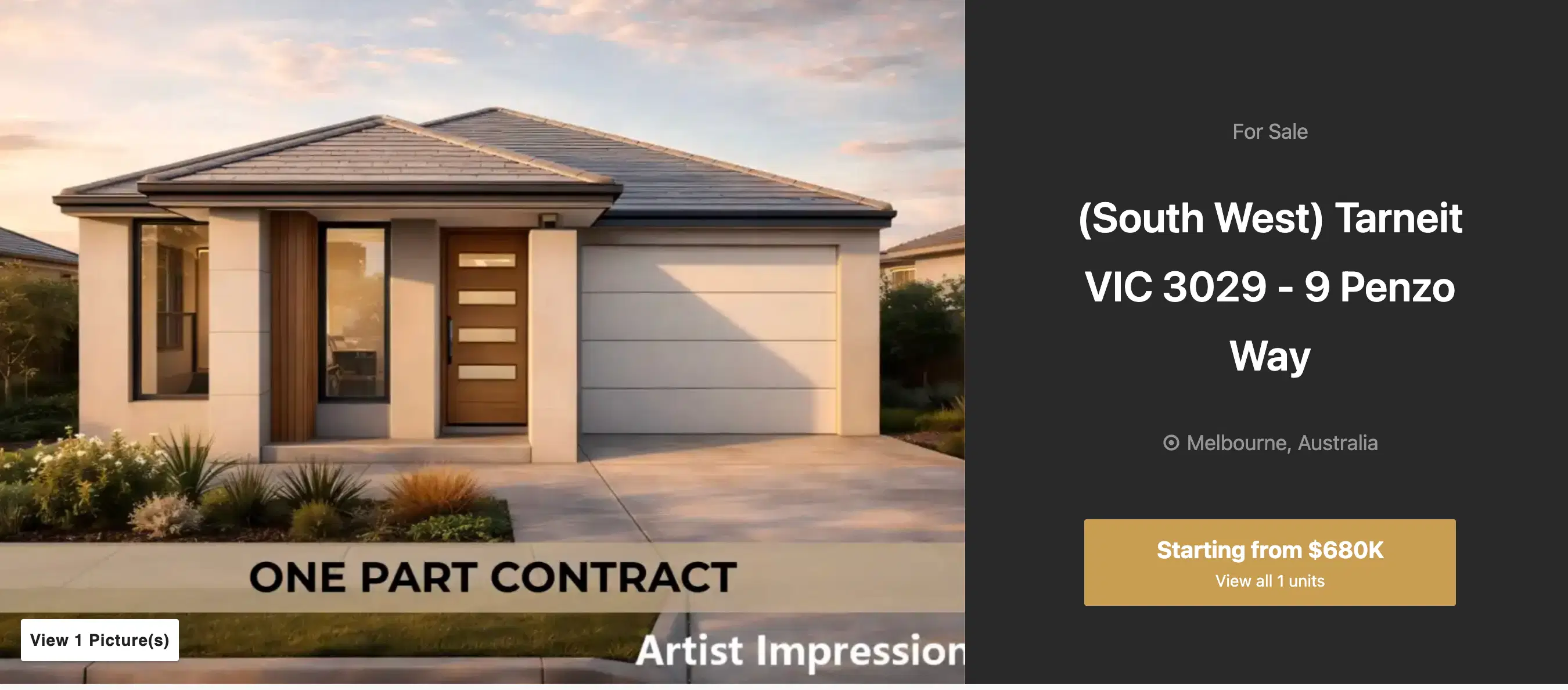
Browse Exclusive SMSF-Ready Deals and see what is available now through our deals portal.