
The old Australian property playbook is officially dead.
If you are still hunting for 1970s brick-and-tile houses in the suburbs, hoping for a tax refund to bail out your negative cash flow, you are playing a losing game.
The 2026 Federal Budget has fundamentally changed the landscape for every investor in Melbourne and across Australia.
The "Great Pivot" is here.
Government policy has shifted its crosshairs onto established properties, making them the most tax-disadvantaged assets in your portfolio.
Meanwhile, high-yield new builds: specifically NDIS, Co-living, and Rooming houses: have been crowned the new kings of the market.
At AZ Property Solutions, we see investors making the same mistake every week:
They buy for "capital growth" while their bank account bleeds $500 a week in holding costs.
That isn't investing. That’s a hobby.
It is time to look at why the established rental market is dying and why you need to pivot to high-yield new builds before the July 2027 tax cliff hits.
The Budget Hammer: Why Established Property is Now a Liability
On May 12, 2026, the Federal Budget dropped a bombshell on the property sector.
The most significant change? The scrapping of negative gearing for established homes, set to take effect for all new purchases starting July 1, 2027.
Add to this the haircut on the 50% Capital Gains Tax (CGT) discount, and the message from the ATO is clear:
"Stop buying old houses and start building new ones."
The Negative Gearing Cliff
If you buy an established property today, your ability to offset losses against your income is on a ticking clock.
By mid-2027, that tax safety net disappears for new buyers.
This will trigger a massive sell-off of low-yield established rentals as investors realize the "tax benefit" was the only thing keeping them afloat.
The CGT Trap
The reduction in the CGT discount means you keep less of your profit when you sell.
For established properties that rely solely on growth rather than yield, this is a double blow.
You are losing money every month you hold the property, and then the government takes a bigger bite of the pie when you exit.
The "Accidental Investor" and the Yield Trap
Most Australian investors fall into what we call Accidental Investing.
They buy in an area they know, a property that looks "nice," and they hope the market does the heavy lifting.
In 2026, that strategy is a recipe for financial ruin.
Consider the current numbers for a standard established house in a B-class Melbourne suburb:
- Purchase Price: $950,000
- Weekly Rent: $650
- Gross Yield: ~3.5%
- Interest Rates: 6.5%+
After rates, insurance, land tax, and maintenance on a 40-year-old house, you aren't just negatively geared.
You are negatively cash-flowed to the point of exhaustion.
Established properties are currently seeing yields as low as 0.7% in high-demand areas once all expenses are accounted for.
That isn't an investment; it’s a liability.
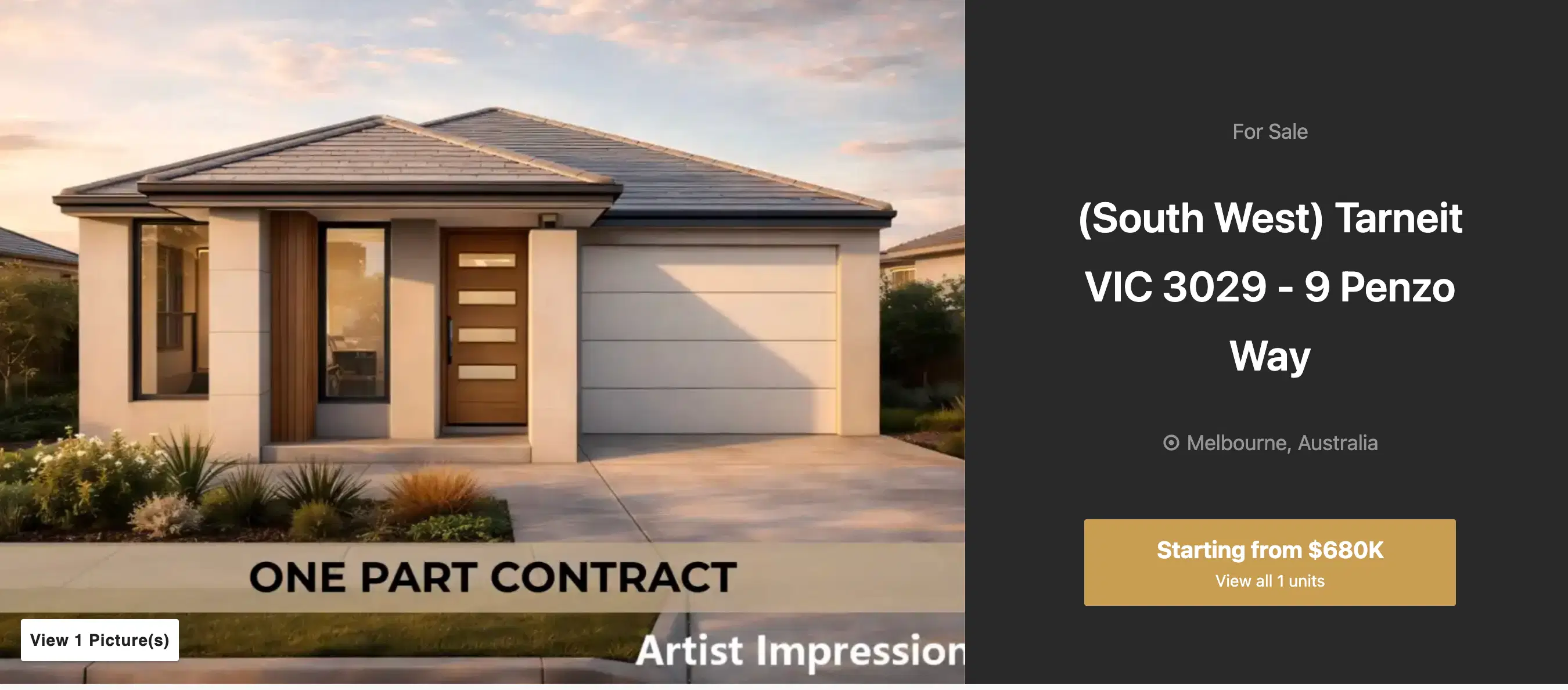
Why High-Yield New Builds are the Only Solution
While the established market is being squeezed, the government has left the door wide open for new construction.
Why? Because Australia is in a housing crisis.
The only way out is more roofs.
By focusing on high-yield new builds, you aren't just following the market: you are following the tax code and the law of supply and demand.
1. Superior Tax Advantages
New builds retain full depreciation benefits.
You can claim the decline in value of the building and the fixtures against your income.
This "paper loss" can turn a high-income earner’s tax bill into a significant refund, even while the property is putting cash in your pocket every month.
2. Zero Maintenance Headaches
An established rental is a ticking time bomb of repair costs.
New roofs, old plumbing, and outdated wiring can wipe out a year’s worth of rent in a single week.
A new build comes with a builder’s warranty and modern materials.
Your maintenance budget for the first five years is essentially zero.
3. Purpose-Built Density
This is where the real money is made.
Instead of one family paying one rent on one block of land, we focus on high-density models like Co-living and Rooming Houses.
You are essentially getting three or four income streams from a single title.
The Three Pillars of High-Yield New Builds
If you want to survive the 2027 tax changes, you need to understand these three models.
Specialist Disability Accommodation (SDA)
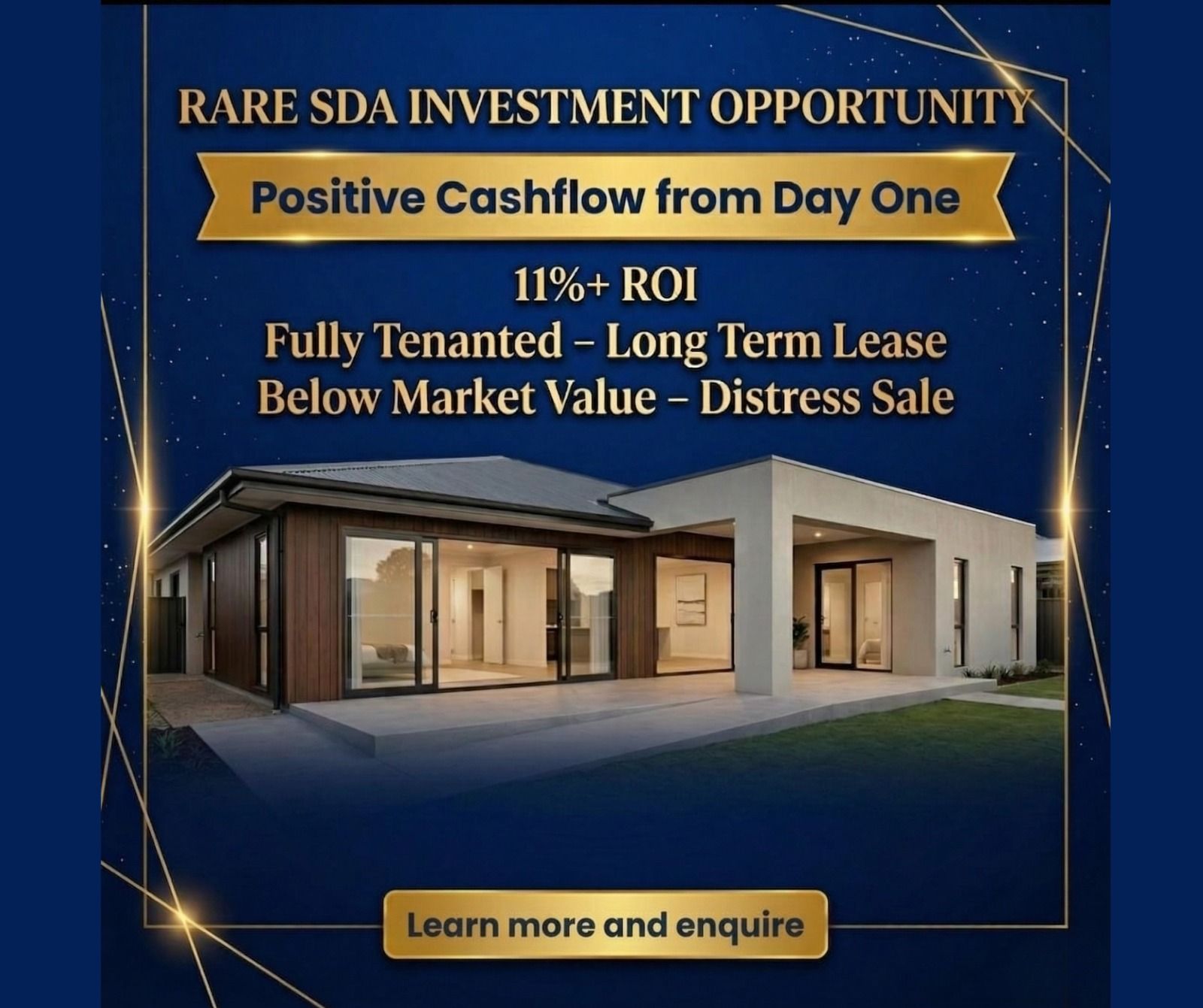
NDIS/SDA housing is the gold standard for yield.
These properties are backed by federal government funding.
You are providing essential housing for Australians with high support needs, and in return, you receive yields often exceeding 10% to 15%.
Co-living and Rooming Houses
The "mini-apartment" model is taking over Melbourne.
By building a home designed with multiple ensuites and shared living spaces, you can house three or four professional tenants.
This isn't a traditional rental; it’s a high-performance cash flow machine.
SMSF Property Investment
For those planning for retirement, the budget changes make established property a poor choice for your Super.
SMSF property investments should focus on secure, high-income streams that don't rely on volatile capital growth alone.

Avoiding the "Ghost Suburb" Trap
Not all new builds are created equal.
There is a dangerous trend of "Ghost Suburbs" where developers oversupply an area with generic four-bedroom homes.
If there is no infrastructure, no jobs, and no scarcity, your "new build" will stagnate.
At AZ Property Solutions, we don't just find a block of land; we find the right strategy.
A high-yield build must be located in a supply-constrained corridor with high tenant demand.
If you aren't looking at the vacancy rates and the infrastructure pipeline, you are just gambling.
The 2026 Strategy: Your Pivot Framework
If you currently own established rentals, or if you are looking to enter the market, here is your 3-step action plan:
Step 1: Audit Your Yield
Calculate your true net yield.
Subtract interest, land tax, management fees, and maintenance from your annual rent.
If that number is under 4%, your property is a zombie asset.
It’s alive, but it isn't moving you toward financial freedom.
Step 2: Review Your Tax Exposure
Speak to your accountant about the July 2027 deadline.
If you plan to hold your established property long-term, ensure you understand the new CGT implications.
You may find that selling now and reinvesting into a high-yield new build is a more profitable move.
Step 3: Shift to Density
Look for opportunities to maximize the "income per square metre."
Single-tenant dwellings are becoming a luxury for the rich.
Investors need multi-tenant models to stay ahead of inflation and interest rates.
Let Us Build Your Future
The era of easy property gains is over.
The government has changed the rules, and the market has followed.
You can either complain about the budget, or you can use it to your advantage.
We specialize in identifying the highest-yielding opportunities in the Australian market.
From SDA homes to innovative co-living designs, we help our clients build portfolios that pay them every month.
Don't wait for the 2027 deadline to scramble for a strategy.
The smartest money is already moving into new builds.

See curated investment-grade properties in one place and take the next step.
View current opportunities and speak with our team.
Disclaimer: This information is general in nature and does not constitute financial or legal advice. Always consult with a qualified professional regarding your specific financial situation and the impact of tax law changes.