
Your bank account balance might be going up.
But your actual wealth is shrinking.
It’s a hard truth most Australian investors aren’t ready to hear.
If your property portfolio is yielding 3% and inflation is sitting at 4%, you aren’t "investing."
You are subsidising a tenant’s lifestyle while your purchasing power evaporates.
In the current Melbourne market, and across the broader Australian landscape, "average" is a death sentence for your retirement.
The old rules of "buy a house and wait twenty years" are broken.
Inflation is the silent thief, and if you don't outrun it, it will catch you.
At AZ Property Solutions, we see investors making the same mistakes every day.
We call this "Accidental Investing."
It’s when you buy based on hope rather than math.
Here are the 10 reasons your portfolio is currently losing the race against inflation: and how to fix it.
1. The Negative Yield Trap
Most residential properties in Melbourne or Sydney yield between 2.5% and 3.5%.
When inflation spikes, these yields become "negative" in real terms.
You might see $600 a week in rent.
But after rates, insurance, and maintenance, your net return is microscopic.
If your return isn't significantly higher than the Consumer Price Index (CPI), you are going backwards.

2. Overallocation to "Safe" Cash
We see it all the time.
Investors keeping $200k in an offset account or a "high-interest" savings account.
They think they are being safe.
In reality, they are watching their deposit for their next project lose 5% of its value every year.
Cash is not a hedge.
It is a sitting duck.
To beat inflation, you need assets that produce positive cashflow far above the cost of living.
3. The Capital Growth Mirage
"The house went up $50,000 this year!"
That sounds great until you realise the price of milk, petrol, and the next house you want to buy also went up by the same percentage.
Capital growth is a paper win.
You can’t eat capital growth.
Inflation hits your daily expenses now.
If your portfolio doesn't generate actual income to cover those costs, you are "house rich and cash poor."
4. "Accidental Investing" in Standard Residential
Most people buy a standard 3-bedroom, 2-bathroom suburban home.
This is a retail product, not an investment strategy.
The competition for these houses is high, and the rent is capped by what a local family can afford from their wages.
Wages rarely keep pace with high-inflation environments.
To win, you need to pivot to specialized assets like rooming houses.
5. Ignoring Outgoings Inflation
Inflation doesn't just hit the grocery store.
It hits your council rates, your plumber’s hourly rate, and your insurance premiums.
If your rent stays the same but your expenses climb by 10%, your margin is being squeezed from both sides.
Smart investors look for high-margin properties where expenses represent a smaller percentage of the total gross income.
6. The Fear of "Niche" Markets
Many investors stay away from NDIS and SDA housing because they think it's too complex.
They choose the "simple" path and get "simple" (low) returns.
Meanwhile, savvy investors are securing government-backed yields that are often double or triple what a standard rental provides.
Complexity is where the profit lives.
If it were easy, everyone would do it, and the yield would disappear.

7. Slow Rent Review Cycles
A standard 12-month lease is a disadvantage during high inflation.
You are locked into today's price while the world's prices go up tomorrow.
Co-living and rooming house models often allow for more frequent adjustments or higher base yields that provide a buffer.
If your lease doesn't have a mechanism to stay ahead of the CPI, you are giving your tenant a discount every single month.
8. Inefficient Tax Structures
If you are holding high-growth, low-yield assets in your personal name while paying the top tax bracket, inflation is the least of your worries.
The "Tax Drag" kills your ability to reinvest.
Using an SMSF for property investments can drastically change the math.
It allows you to keep more of your yield to fight off inflation rather than handing it to the ATO.

9. Lack of "Real" Asset Diversification
If your entire net worth is tied to the Melbourne median house price, you are vulnerable.
True inflation beating requires diversification into different types of "real" assets.
This includes looking at high-demand areas like Perth or Brisbane or diversifying into different housing models like co-living.
Sticking to one suburb is a gamble, not a strategy.
10. Chasing "Yield" in the Wrong Places
There is a difference between a "high yield" in a dying regional town and "high yield" in a high-demand growth corridor.
If you buy a cheap house in a town with no jobs just because the yield looks high, you'll lose on the backend when the property value tanks.
The "Sweet Spot" is finding high-yield strategies: like co-living: in areas with massive population growth.

How to Audit Your Portfolio: The AZ Framework
We don't just point out problems; we provide the blueprint to fix them.
If you want to know if your portfolio is actually growing, run this three-step audit:
Step 1: The Net Yield Test
Calculate your total rent minus every single expense (including interest).
Divide that by your equity.
If that number is lower than 5%, you are not beating inflation.
You are merely holding an asset.
Step 2: The Replacement Cost Check
Look at the cost of building your property today versus when you bought it.
If the land value isn't appreciating faster than the cost of materials, you aren't gaining real wealth.
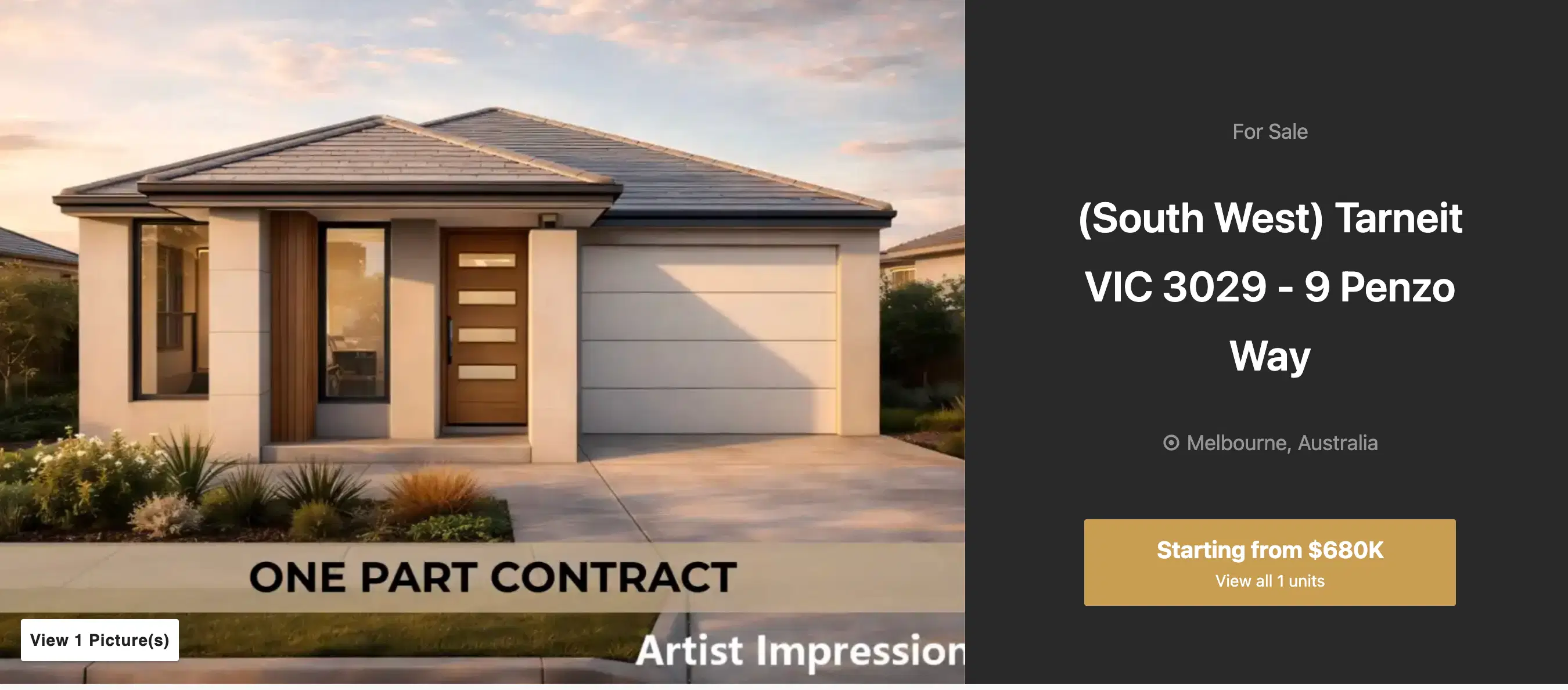
This is why we focus on modern builds in Tarneit and other growth hubs.
Step 3: The Income Diversity Scan
Do you have more than one source of income per title?
In a standard house, you have one tenant. If they leave, your income is zero.
In a rooming house, you might have 3 to 9 tenants.
This "income density" is the ultimate hedge against vacancy and inflation.
The AZ Property Solutions Stance
At AZ Property Solutions, we believe the days of "passive" residential investing are over.
To beat the rates, you have to be intentional.
You have to look at property as a business, not a hobby.
We specialise in high-yield strategies that standard agencies don't understand.
Whether it’s NDIS, Co-Living, or strategic SMSF builds, our goal is to put you ahead of the curve.
Pros of High-Yield Investing:
- Cashflow Positive: The property pays for itself and puts money in your pocket.
- Inflation Hedge: Government-backed NDIS payments are often indexed to inflation.
- Debt Reduction: Use the extra yield to pay down principal faster.
Cons to Consider:
- Management Intensive: These properties require specialized management and expertise.
- Higher Entry Barriers: Financing can be more complex than a standard mortgage.
- Regulatory Changes: NDIS and rooming house laws can evolve, requiring you to stay informed.
Ready to stop losing to inflation?
The market doesn't care about your retirement plans.
Inflation doesn't have a "pause" button.
If your current portfolio is dragging its feet, it's time for a strategy shift.
Let us help you move from "Accidental Investor" to "Strategic Wealth Builder."
We have the on-the-ground intelligence in Melbourne and beyond to ensure your properties actually perform.
Don't wait for the next rate hike to realize your strategy is outdated.
Contact AZ Property Solutions today and let's build a portfolio that actually beats the rates.
Disclaimer: The information provided in this blog is for general educational purposes only and does not constitute financial or investment advice. Always consult with a qualified professional before making any investment decisions.