
Negative gearing as you knew it is dead.
The 2026-27 Federal Budget didn't just tweak the rules; it effectively nuked the "buy-and-hope" strategy for established properties.
If you bought an established house after May 12, 2026, you are officially on your own.
The tax man is no longer subsidizing your losses.
For decades, Australian investors have been "Accidental Investors."
They bought low-yield suburban houses, lost money every month, and called it a "strategy" because of the tax kickback.
That era ended at 7:30 PM on Budget night.
Now, if your property doesn’t pay you, it’s not an investment, it’s an expensive hobby.
But here is the good news.
While the masses are panic-selling their 3% yield Melbourne units, savvy investors are pivoting.
The smart money is moving into high-yield, purpose-built rooming houses and NDIS/SDA housing.
Why? Because when you’re pulling 10% to 15% gross yields, negative gearing doesn't even matter.
You’re too busy paying tax on your actual profits.
Here are the 5 steps to pivot your portfolio from tax-loss reliance to high-yield dominance in 2026.
1. Audit for "Dead Weight" (Ditch the Accidental Investing)
The first step is a brutal assessment of your current holdings.
If you own an established property bought after the 2026 cutoff, and it relies on negative gearing to stay afloat, you have a problem.
The 50% Capital Gains Tax (CGT) discount is also on the chopping block, replaced by a much tighter 30% minimum tax regime from July 2027.
Essentially, the government is forcing you to choose:
- Hold a low-yield asset and pay more tax on the back end.
- Pivot to a high-yield asset that produces cash flow today.
Stop waiting for "the next boom" to save a mediocre property.
Check your net position.
If your property is draining your monthly cash flow without the safety net of tax deductions, it’s dead weight.
We've seen too many investors fall into the trap of chasing 3% yields while inflation eats their equity.

2. Target "New-Build" Rooming Houses to Keep the Tax Benefits
The government didn't kill negative gearing for everyone, just for those buying existing stock.
To encourage housing supply, new builds are the exception.
By pivoting to a new-build rooming house, you secure a "double win."
First, you still qualify for negative gearing (if your interest rates are high enough to create a temporary loss).
Second, you are providing much-needed rental supply in a market where standard rentals are struggling to meet demand.
A purpose-built rooming house is designed for 5 to 9 residents.
Instead of one family paying $600 a week, you have 6 individuals paying $250 each.
The math isn't complicated.
$1,500 a week beats $600 every single time.
At AZ Property Solutions, we specialize in these high-yield new builds because they are the only remaining path to government-backed tax efficiency.
3. Master the Co-Living Yield Spread
If you’re still looking at Melbourne or Sydney for high yields, you’re looking in the wrong place.
In 2026, the real action is in the growth corridors of Perth and Brisbane.
While Sydney yields hover around a pathetic 3%, we are seeing rooming house ROIs hitting 12% on autopilot in Western Australia.
Why the spread?
Lower entry costs and higher rental demand for affordable, single-occupancy living.
But don't just buy any house.
A "conversion" (turning an old house into a rooming house) often lacks the necessary fire safety and Council compliance.
Plus, under the 2026 rules, a conversion might still be classed as "established" for tax purposes.
You want a purpose-built co-living asset that is 1B compliant from day one.
4. Leverage SMSF-Friendly Structures
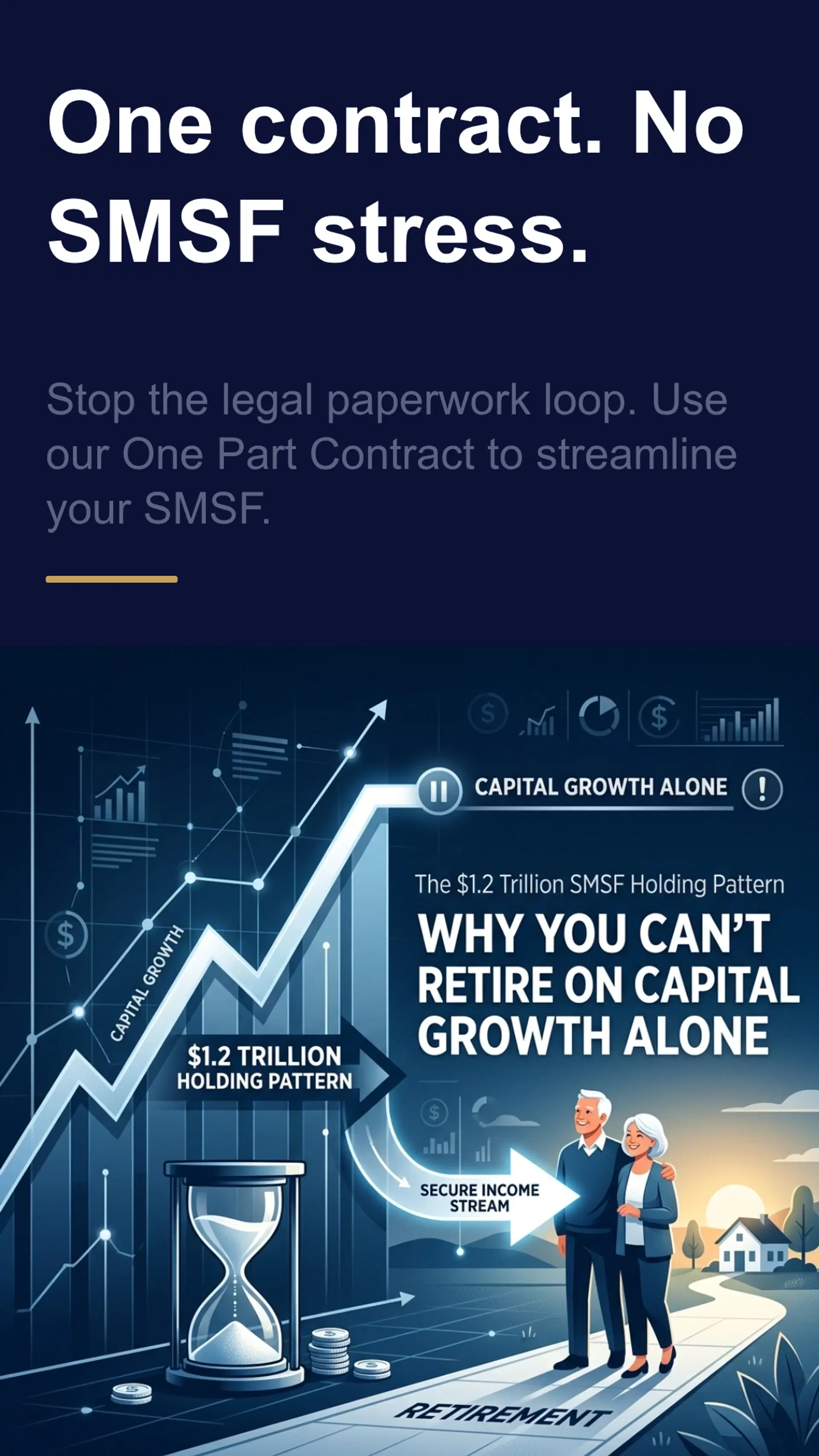
Many investors are finding that their Self-Managed Super Funds (SMSFs) are the best vehicle for this pivot.
Why? Because your SMSF needs income, not just growth.
You can’t pay for a comfortable retirement with "potential capital gains."
You need monthly rent hitting the fund.
The new negative gearing rules make high-yield new builds essential for SMSFs.
By focusing on NDIS/SDA or rooming houses, you are creating a high-performance engine within your super.
Our "done-for-you" model handles the land selection, building contracts, and tenant placement, making it a truly passive strategy for busy professionals.
5. Shift to a "Done-For-You" Network
The biggest trap in high-yield investing is the "Management Nightmare."
Managing 6 or 9 individual tenants is not a weekend hobby.
It’s a specialized business.
This is where most DIY investors fail, they buy the right asset but hire the wrong manager.
At AZ Property Solutions, we have helped over 50 homeowners with vacant SDA properties secure tenants.
We work with a proven participant placement network.
You don't just buy a building; you buy a result.
The pivot to high-yield requires expert management to ensure your 12% yield doesn't turn into a 0% vacancy headache.
Whether it's NDIS housing or a professional rooming house, the success is in the placement.

Advantages and Disadvantages of the Rooming House Pivot
| Feature | Advantage | Disadvantage |
|---|---|---|
| Cash Flow | Significantly higher than standard residential (up to 15% gross). | Higher management fees due to multiple tenancies. |
| Tax Treatment | New builds retain negative gearing and depreciation benefits. | Established conversions may lose negative gearing benefits under 2026 rules. |
| Risk | Diversified income; one vacancy doesn't kill your cash flow. | Specialized lending requirements (some banks are conservative). |
| Social Impact | Provides affordable housing or NDIS support for the community. | Requires strict adherence to Council and fire safety regulations. |
Case Study: The 2026 Melbourne Pivot
Let's look at an investor we'll call Sarah.
Sarah owned a three-bedroom house in a middle-ring Melbourne suburb.
Her yield was 2.8%.
After the 2026 Budget, her interest rate hikes meant she was losing $1,200 a month out of pocket.
With no negative gearing to offset it, she was bleeding cash.
We helped Sarah sell that "dead weight" asset.
She used the equity to secure two new-build rooming houses in high-demand Perth corridors.
The result?
She went from a $1,200/month loss to a $2,400/month net profit.
She also secured full depreciation benefits because she bought new.
That is the power of a strategic pivot.
Ready to Beat the 2026 Tax Trap?
The market has changed, but the opportunity hasn't vanished, it has moved.
If you are still holding low-yield established properties, you are playing a game with outdated rules.
It’s time to move toward high-yield, cash-flow-positive property that pays you to own it.
Let us help you.
We specialize in the end-to-end management of NDIS/SDA and rooming house investments.
From land selection to tenant placement, we do the heavy lifting so you can enjoy the ROI.
Book your strategy call with AZ Property Solutions today and let's fix your portfolio.

FAQ: 2026 Negative Gearing & Rooming Houses
Q: Does negative gearing still exist for any property in 2026?
A: Yes, but it is largely restricted to new-build residential properties purchased after May 12, 2026. Established properties purchased before this date are "grandfathered," meaning they keep their current tax treatment.
Q: Are rooming houses considered commercial or residential for tax?
A: Generally, they are treated as residential property for tax purposes. However, their high-yield nature means most are positively geared, making the negative gearing changes less impactful on your bottom line.
Q: Why are Perth and Brisbane better for rooming houses than Melbourne?
A: Currently, these markets offer a better "yield spread", the gap between the purchase price and the rental income. Lower entry prices in growth corridors like Perth allow for 10%+ yields that are harder to achieve in expensive Melbourne markets.
Q: What is the risk of the 30% minimum CGT tax?
A: It makes "flipping" or short-term capital growth plays much less profitable. You need a strategy that prioritizes ongoing income (yield) to offset the higher tax you will pay when you eventually sell.
Disclaimer: The information provided in this blog post is for educational purposes only and does not constitute financial or tax advice. Please consult with a qualified professional before making any investment decisions.