
The traditional Australian property dream just got a tax bill it can’t pay.
If you are still hunting for established three-bedroom houses in the suburbs to negatively gear against your salary, you aren’t just behind the curve.
You are walking into a financial trap set by the 2026 Federal Budget.
The rules of the game changed on May 12.
The era of "lazy investing", buying any old house and waiting for the market to lift it, is officially over.
The government has sent a clear message to every investor in Australia:
Invest in new housing supply, or lose your tax benefits.
At AZ Property Solutions, we’ve been watching these trends for years.
The budget didn’t surprise us.
It confirmed what we already knew.
High-yield, purpose-built assets like Co-living and NDIS/SDA housing are no longer "niche" strategies.
They are now the only logical path forward for serious wealth creation.
The Budget Reality Check: Why Your Current Strategy is Dying
The 2026 Budget introduced a tectonic shift in how investment properties are taxed.
From July 1, 2027, negative gearing is being restricted.
For any established residential property bought after May 12, 2026, you can no longer offset rental losses against your salary.
Instead, those losses are "quarantined."
You can only use them to offset other property income.
For the average high-income earner in Melbourne or Sydney, this destroys the primary reason they entered the market.
Add to this the "Capital Gains Tax Haircut."
The 50% CGT discount is being pared back.
The only way to keep a significant discount (up to 60%) is to invest in qualifying affordable housing.
The "Accidental Obsolescence" Trap
Most investors are currently falling into what we call "Accidental Obsolescence."
They are buying assets that the government is actively trying to push into the hands of owner-occupiers.
By removing tax incentives for established homes, the Treasury expects to move 75,000 properties back to first-home buyers over the next decade.
If you own an established investment property, you are now competing with a government that wants you out of that sector.
The smart money is moving where the incentives are: New Builds and High-Density Solutions.
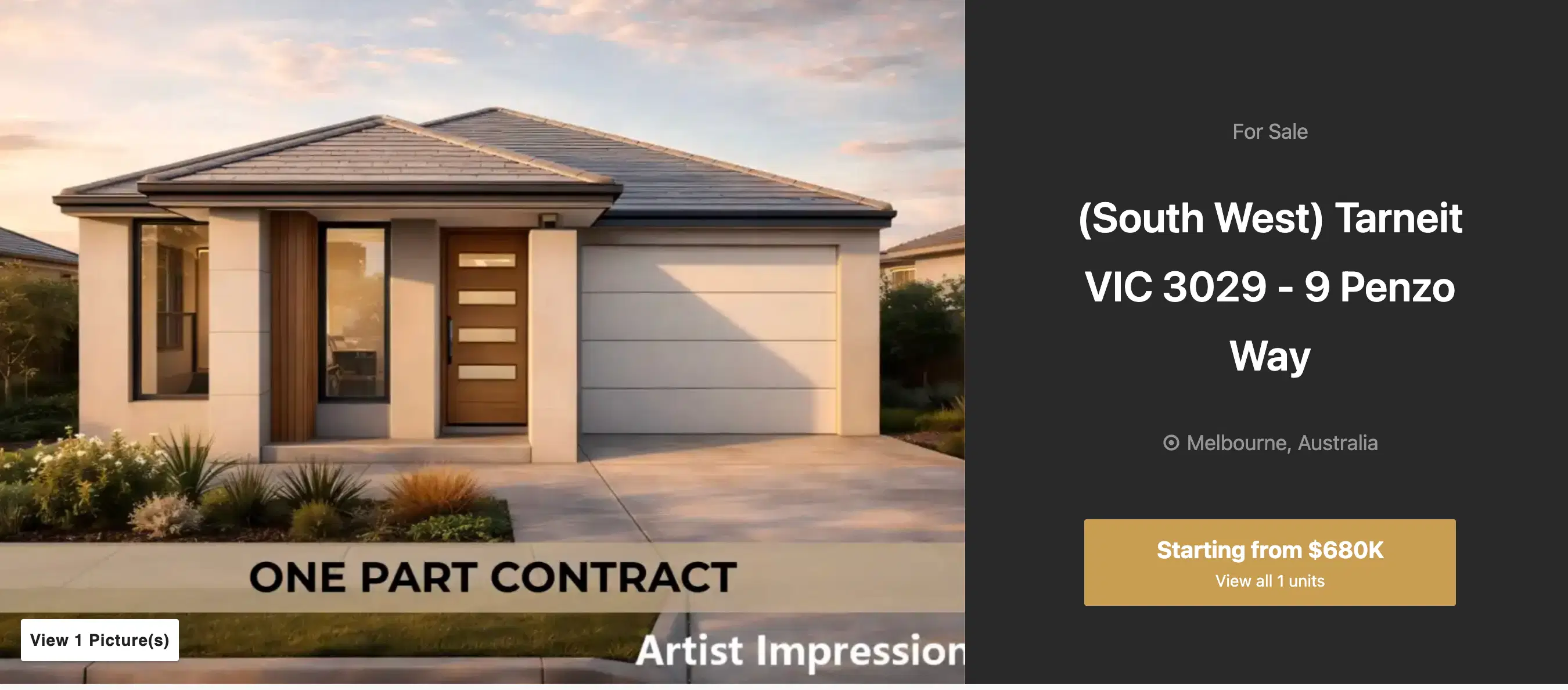
Winner #1: Co-living is the New Gold Standard for Yield
The budget has essentially crowned "New Builds" as the last bastion of negative gearing.
But "new" isn't enough.
With interest rates remaining sticky, a standard new-build house-and-land package often doesn't produce enough rent to cover the mortgage.
This is where Co-living changes the math.
Why Co-living Wins in the 2026 Environment:
- Full Tax Benefits: Because co-living projects are new builds, they retain full negative gearing benefits and maximum depreciation schedules.
- Density Yield: Instead of one family paying one rent, you have three or four residents paying individual rents. This dramatically increases the gross rent per square metre.
- Government Alignment: The government is desperate for higher-density housing and better land utilisation. Co-living provides exactly that, making it "policy-proof."
When you invest in co-living, you aren't just buying a house.
You are buying a cash-flow business.
In a market where tax breaks are disappearing, your asset must stand on its own two feet through pure yield.

Winner #2: NDIS & SDA Housing – The Government-Backed Safety Net
While the 2026 Budget sought to "rein in" NDIS costs, it actually cemented the scheme's future.
The reforms are about sustainability, not dismantling.
The government is tightening eligibility to ensure the scheme exists for those who need it most, specifically those requiring Specialist Disability Accommodation (SDA).
The Quasi-Market Advantage
The NDIS is a "quasi-market."
This means the revenue isn't just coming from a tenant's pocket; it is backed by a multi-billion dollar federal budget.
Even with cost-cutting measures elsewhere, the NDIS remains one of the fastest-growing program costs in the country.
For an investor, this creates a revenue stream that is:
- Recurrent: Disability is often lifelong; demand doesn't vanish with a market dip.
- Inflation-Hedged: SDA payments are indexed, ensuring your yield keeps pace with the cost of living.
- High-Value: SDA properties can offer returns that dwarf traditional residential rentals, often exceeding 10-12% ROI.
We specialise in NDIS-SDA investments that are designed for longevity.
The budget's focus on "commissioning" supports means that professional, high-quality housing providers will be favoured over "cowboy" developers.
This flight to quality is exactly where AZ Property Solutions operates.

Want to see curated investment grade properties like this?
Book a strategy session with AZ Property Solutions and get clear guidance on high-yield opportunities aligned with the new market rules.
The Pivot Strategy: How to Restructure Your Portfolio
If you are looking at your portfolio and seeing only established houses, you need to act before the 2027 deadline.
Here is our 3-step framework for pivoting your strategy:
1. Stop Chasing "Average"
Average houses in average suburbs give you average returns, which are now taxed more heavily.
You need to move toward specialized assets.
Whether it’s SMSF property investments or direct ownership, the goal is to find assets that solve a social problem (like housing for the disabled or affordable rooming).
2. Focus on "Net Income" over "Paper Growth"
For years, investors ignored low yields because capital growth and tax breaks saved them.
With the 50% CGT discount being reduced, you cannot rely on a "big exit" to make your investment work.
Your property must pay you every month.
Ask yourself: Does my property pay me?
3. Use the "New Build" Window
The window to secure new property with full tax advantages is open, but it’s narrowing.
Developing or purchasing house and land packages that fit the Co-living or NDIS criteria is the most effective way to "lock in" your tax position before the 2027 changes fully bite.

Why AZ Property Solutions is Your Partner in This Shift
Navigating a federal budget shift isn't something you should do alone.
The risks of "getting it wrong" in the NDIS or Co-living space are high if you don't understand the compliance requirements.
We don't just find you a block of land.
We provide a streamlined, single-contract process that removes the stress of building and managing high-yield assets.
We understand the Melbourne market and the specific regional data that makes a location viable for NDIS or Co-living.
Our Approach:
- Authoritative Expertise: We know the legislation because we live it every day.
- High-Yield Focus: We don't settle for 3% yields. We target 10%+.
- Compliance First: Especially in SDA, we ensure every property meets the strict NDIA standards so your income is secure.
FAQs: The 2026 Budget & Your Property
Q: Can I still negatively gear my existing investment property?
A: Yes, if you bought it before May 12, 2026, you are generally "grandfathered" into the old rules. However, future buyers won't have that luxury, which may affect your resale value down the line.
Q: Why is Co-living better than a standard flat or unit?
A: Flexibility and yield. A standard unit is a single income stream. Co-living is multiple income streams under one roof, often with significantly lower vacancy rates in a tight rental market.
Q: Is the NDIS still safe to invest in after the budget cuts?
A: The "cuts" are actually growth-control measures. The government is committed to the scheme but is weeding out inefficiency. High-quality SDA housing remains a critical need that the government is happy to fund.
Ready to Future-Proof Your Wealth?
The 2026 Budget was a wake-up call.
The investors who thrive in the next decade will be those who stop fighting the government and start following the incentives.
The incentives are clear: New supply, high density, and specialist housing.
Don't wait until 2027 to realize your portfolio is obsolete.
Let us help you transition into high-yield, budget-aligned property assets today.
Contact Us to book a strategy session with the AZ Property Solutions team and see how Co-living and NDIS can transform your financial future.

Disclaimer: This information is general in nature and does not constitute financial or legal advice. Always consult with a qualified professional before making investment decisions.